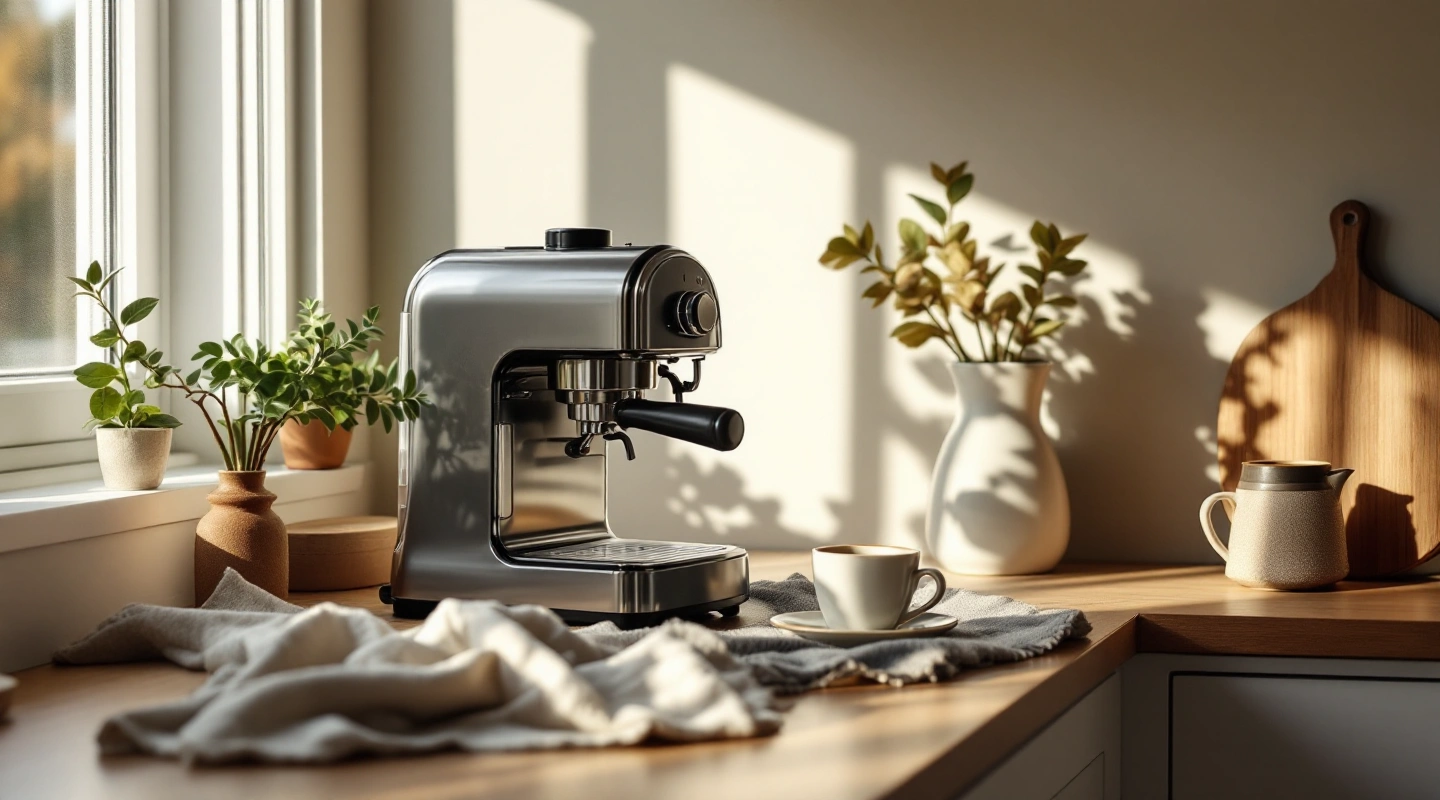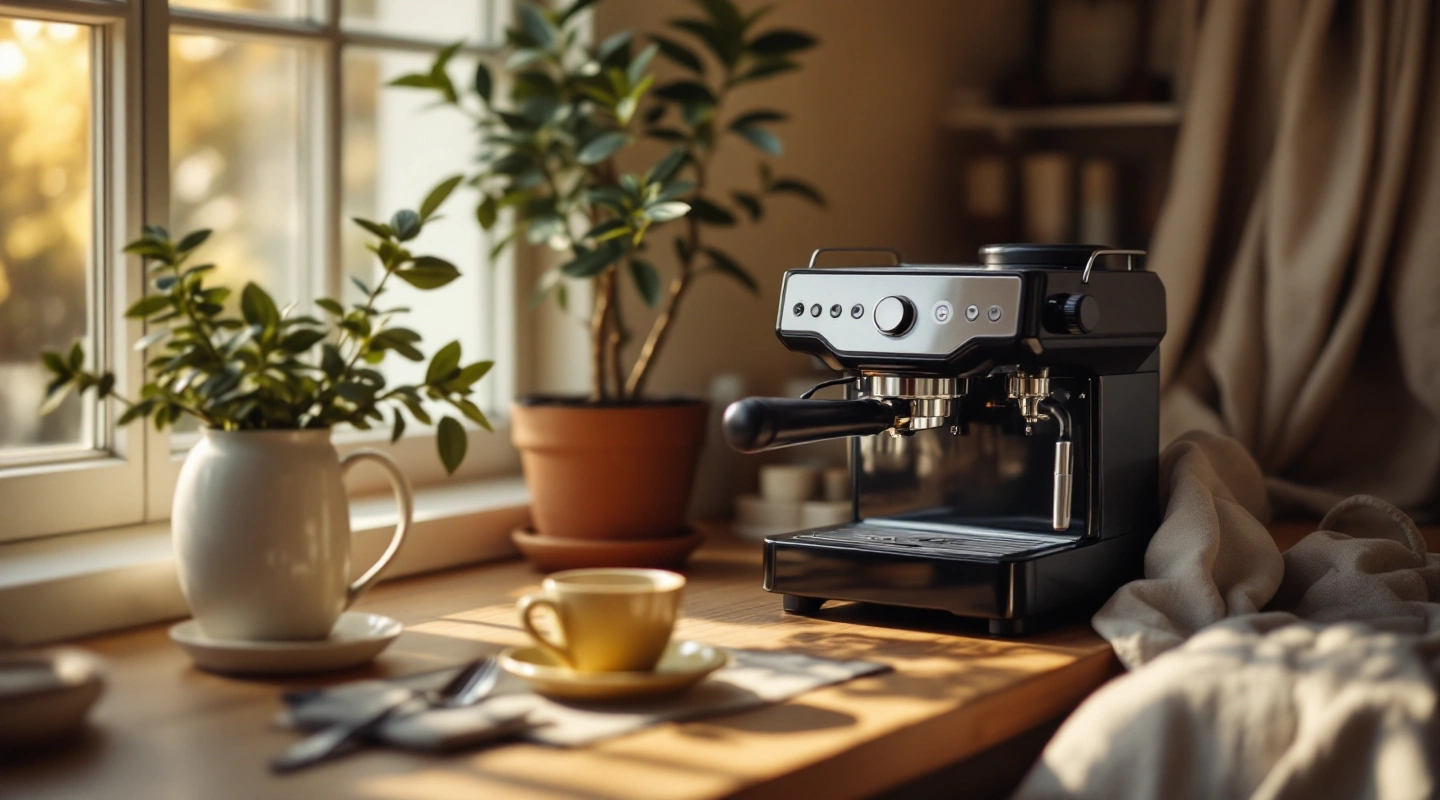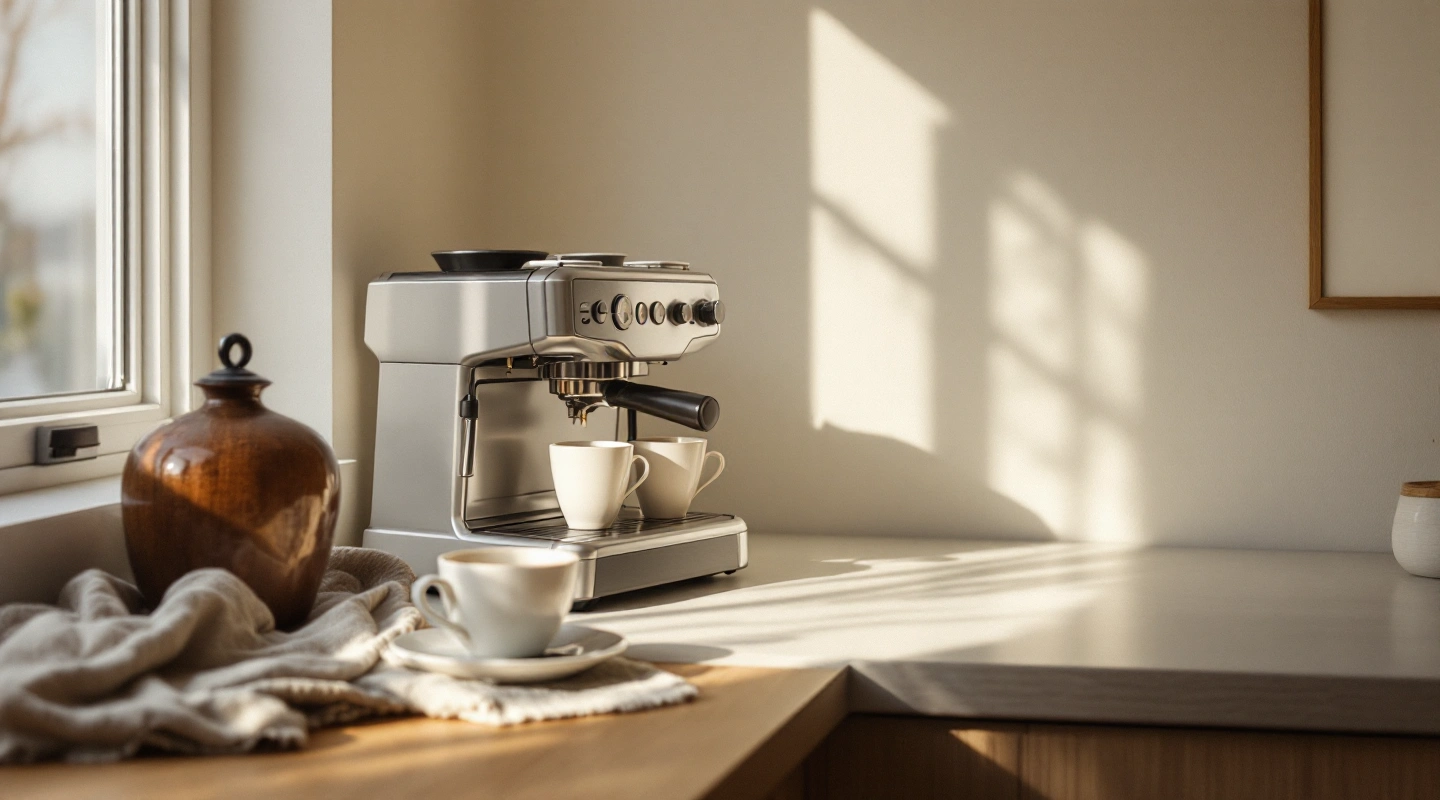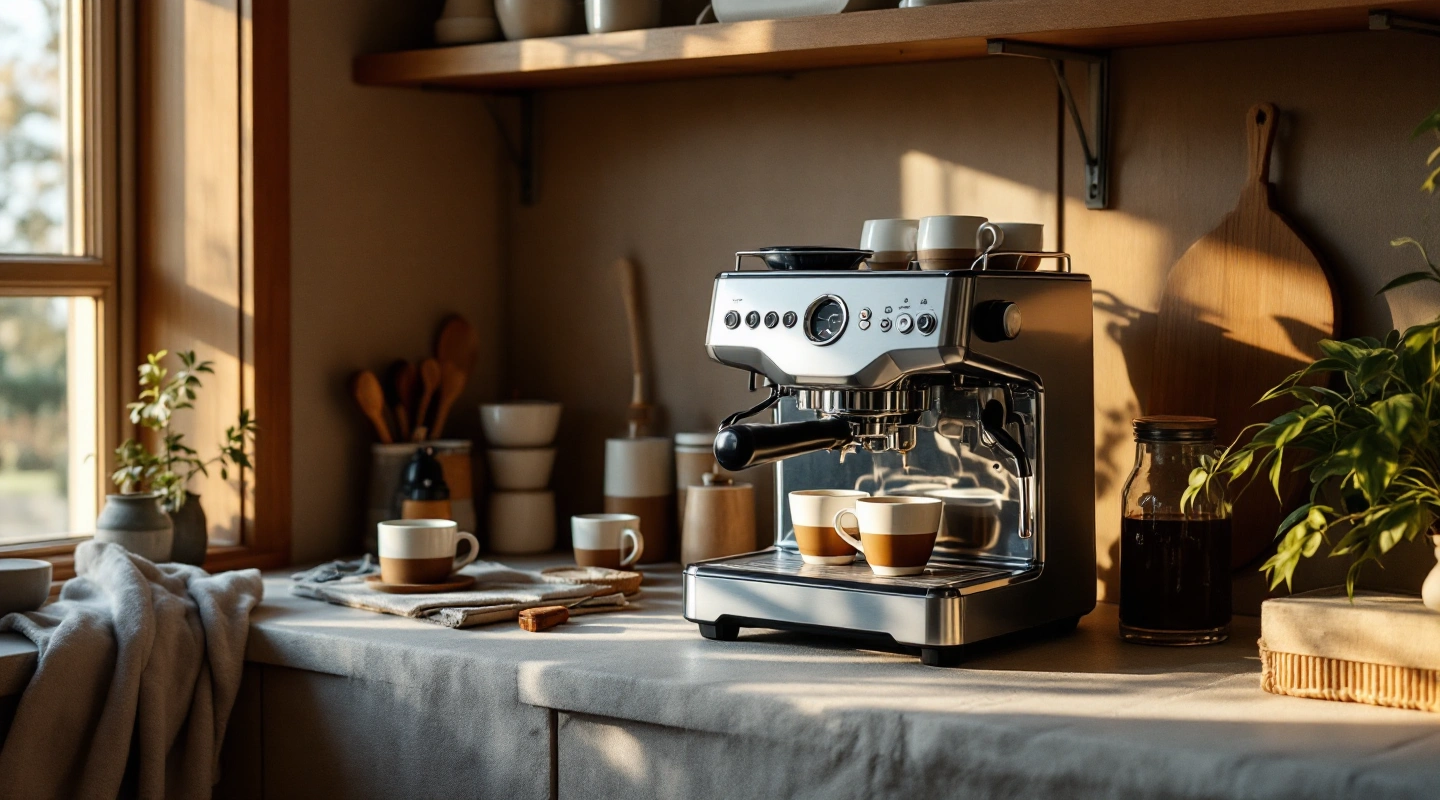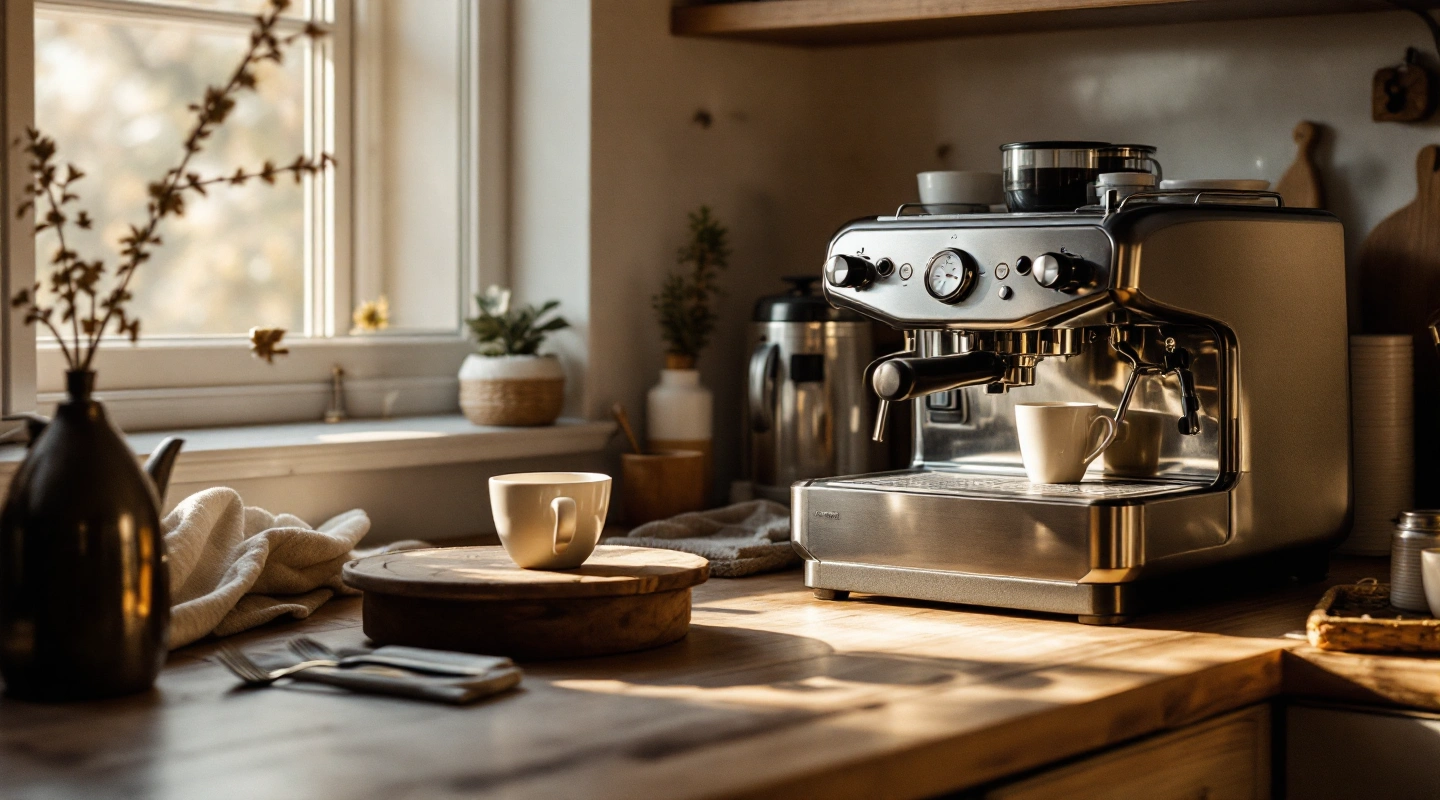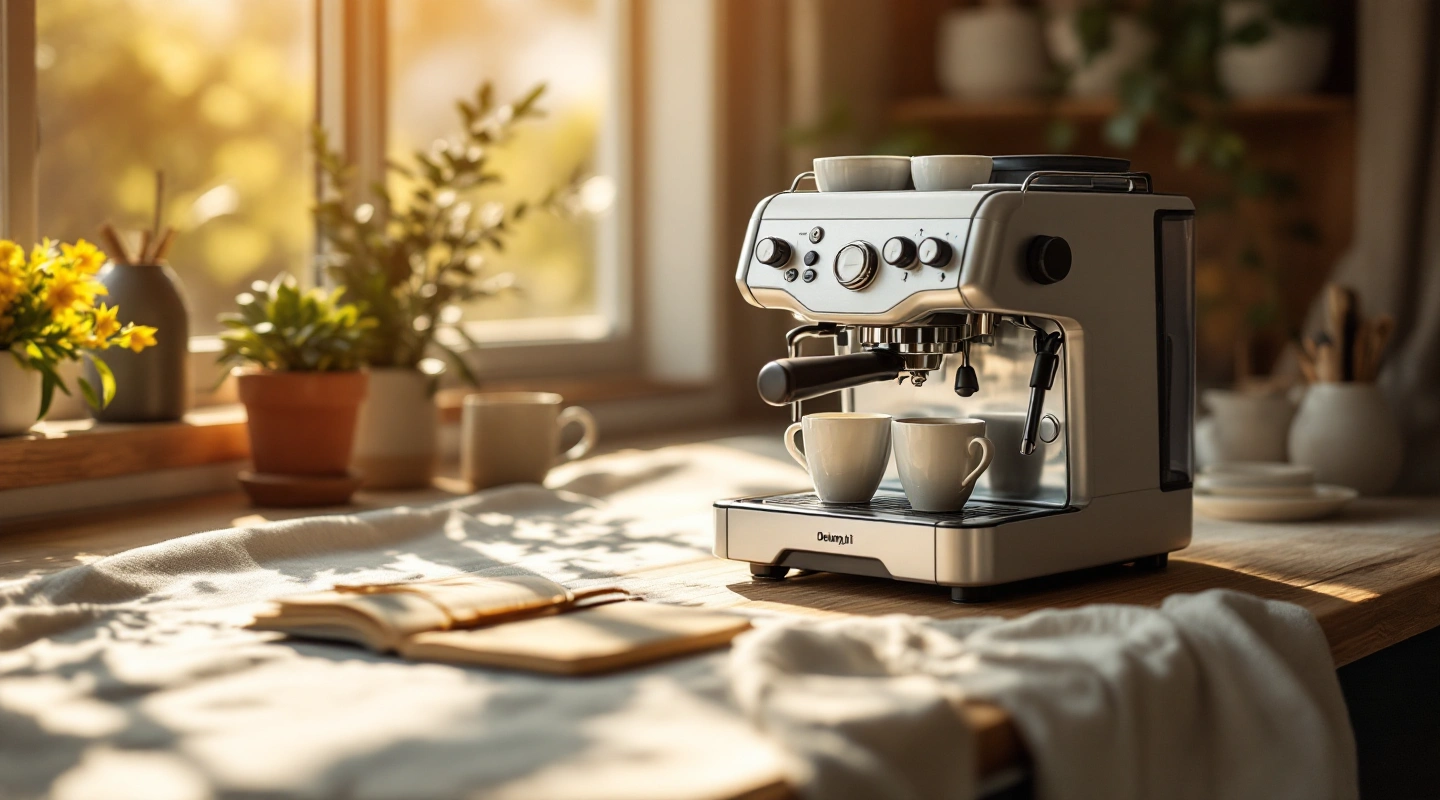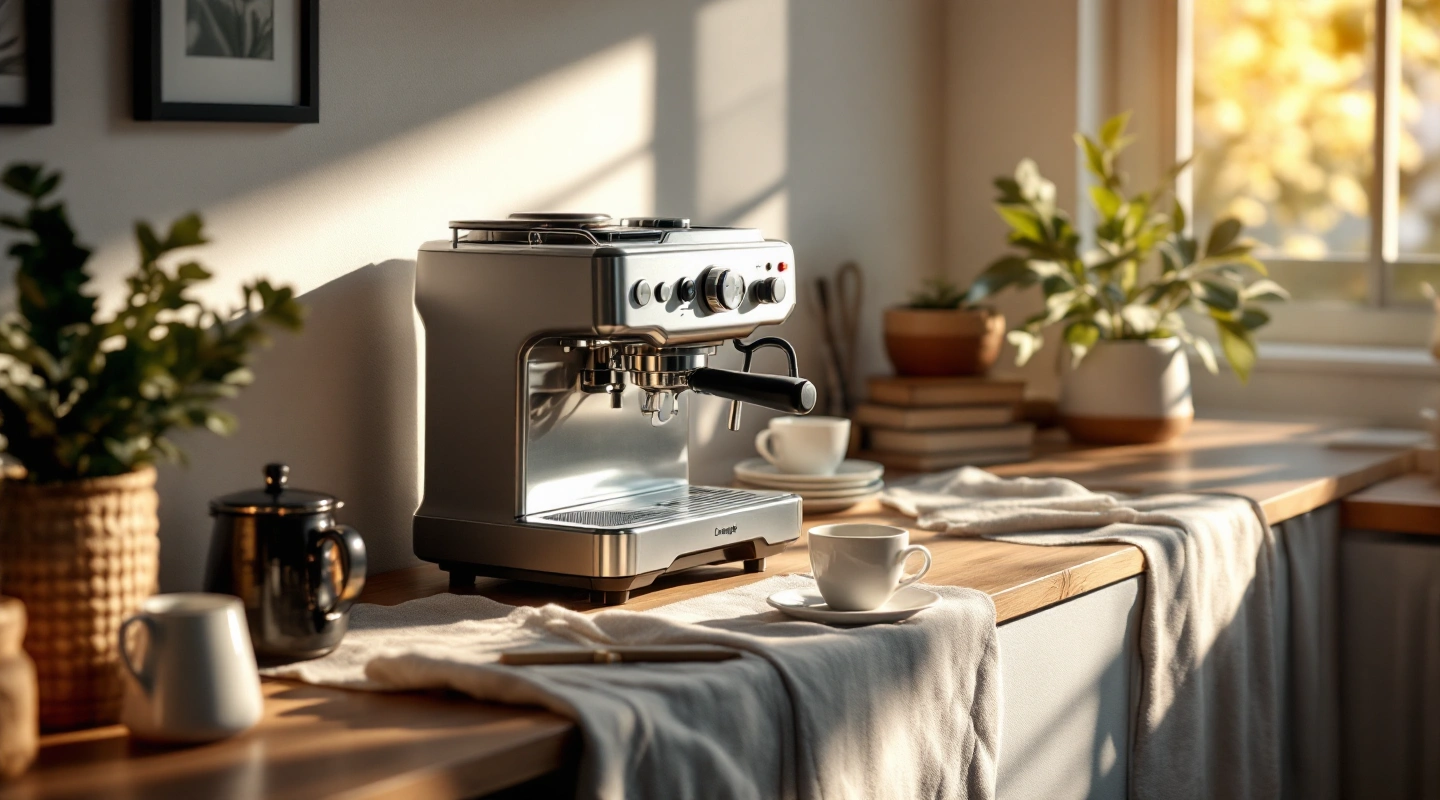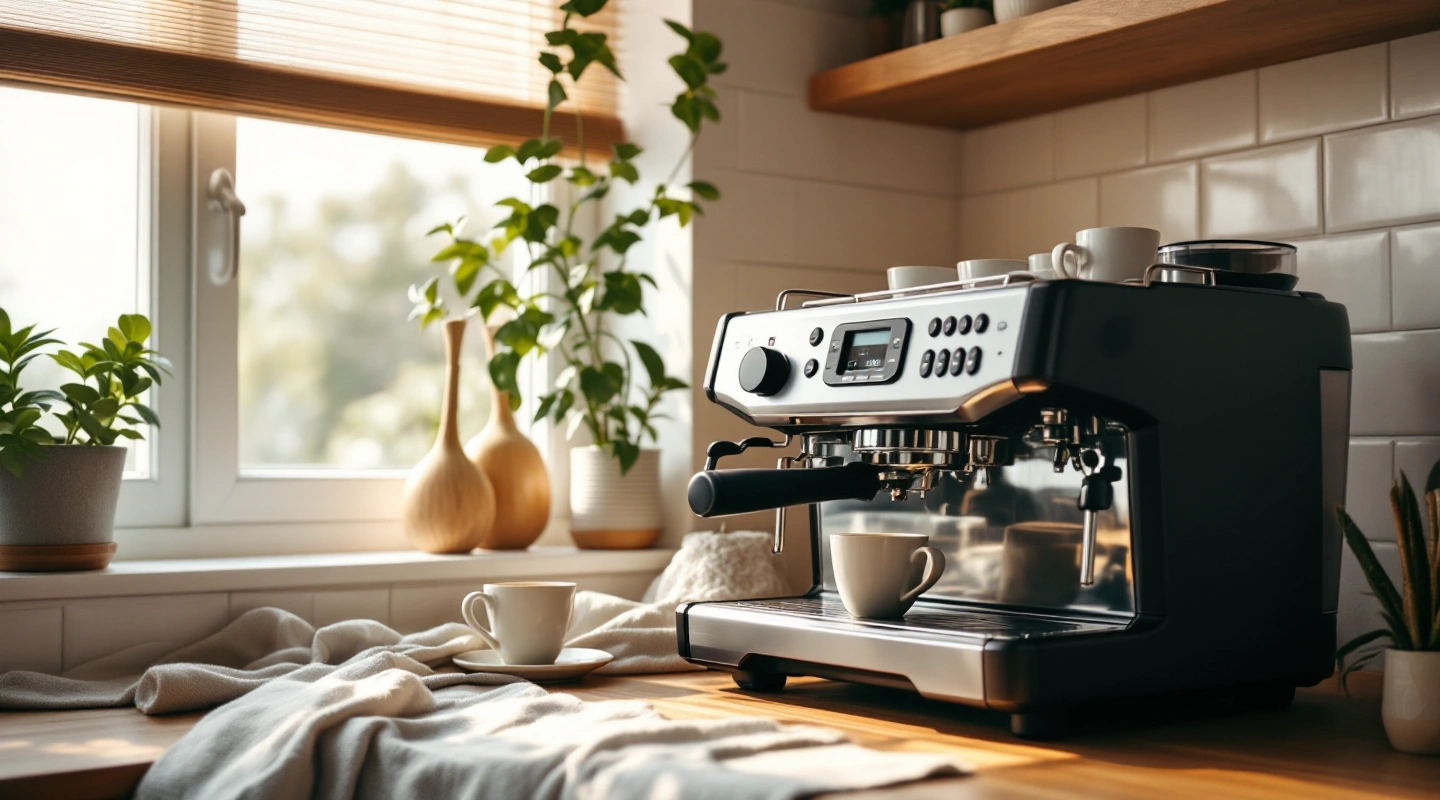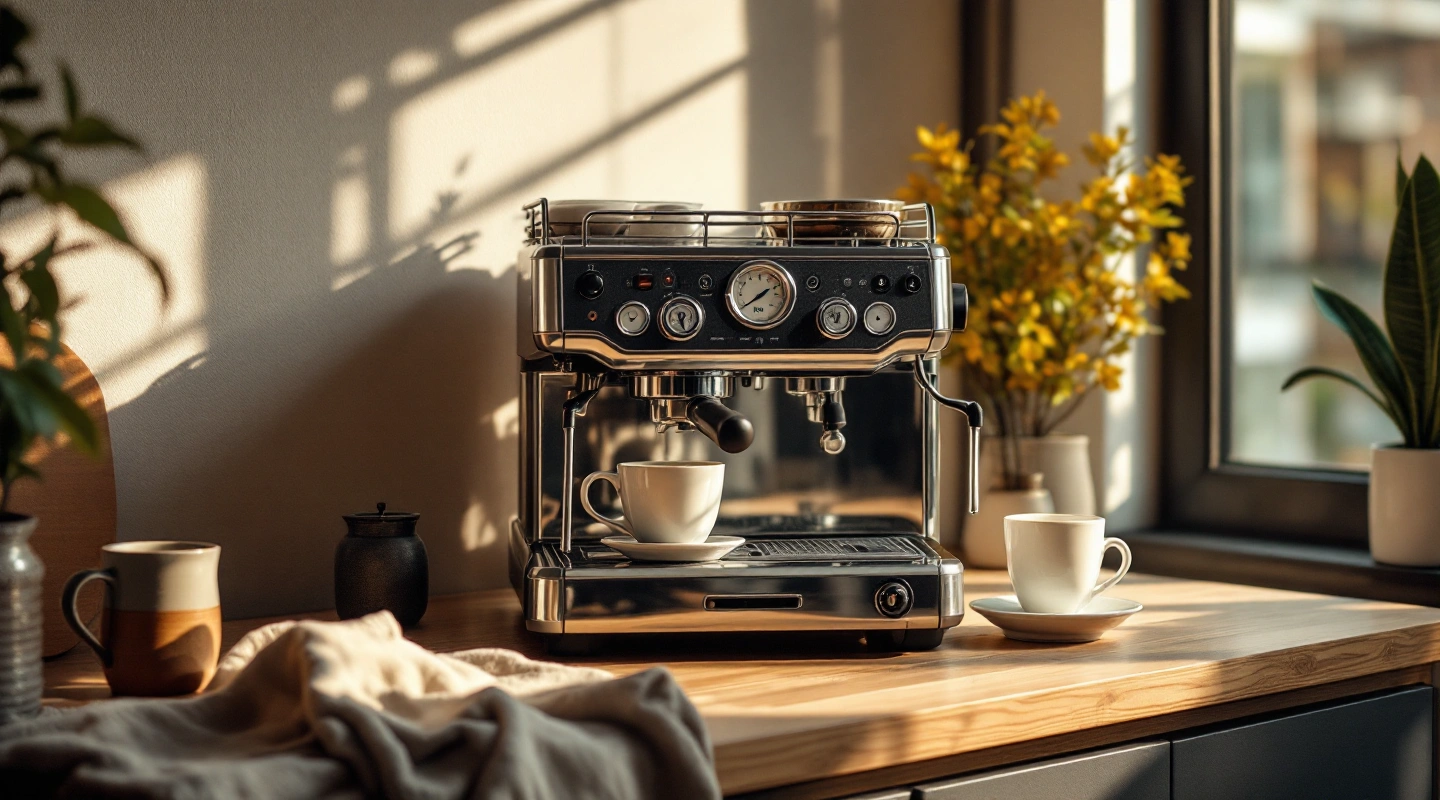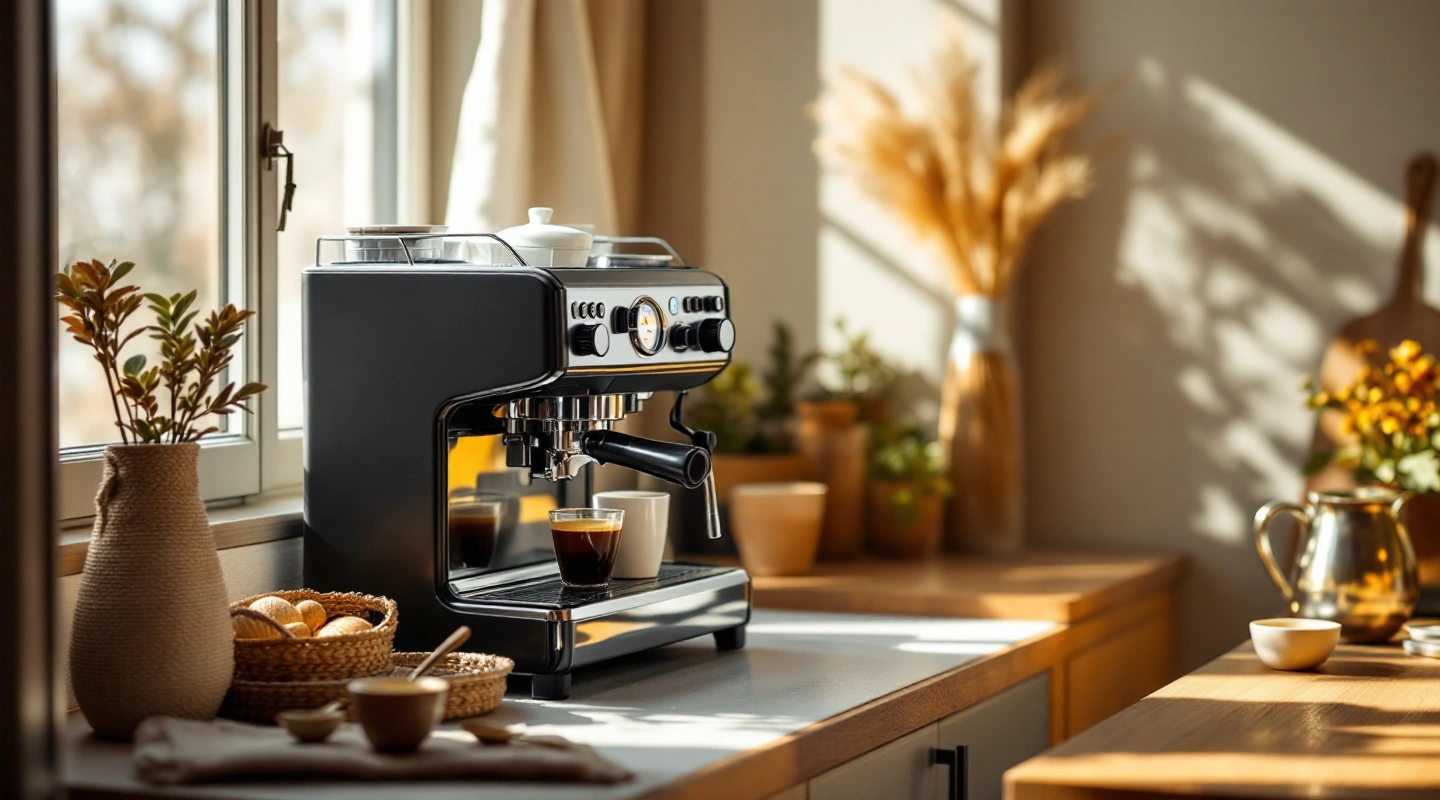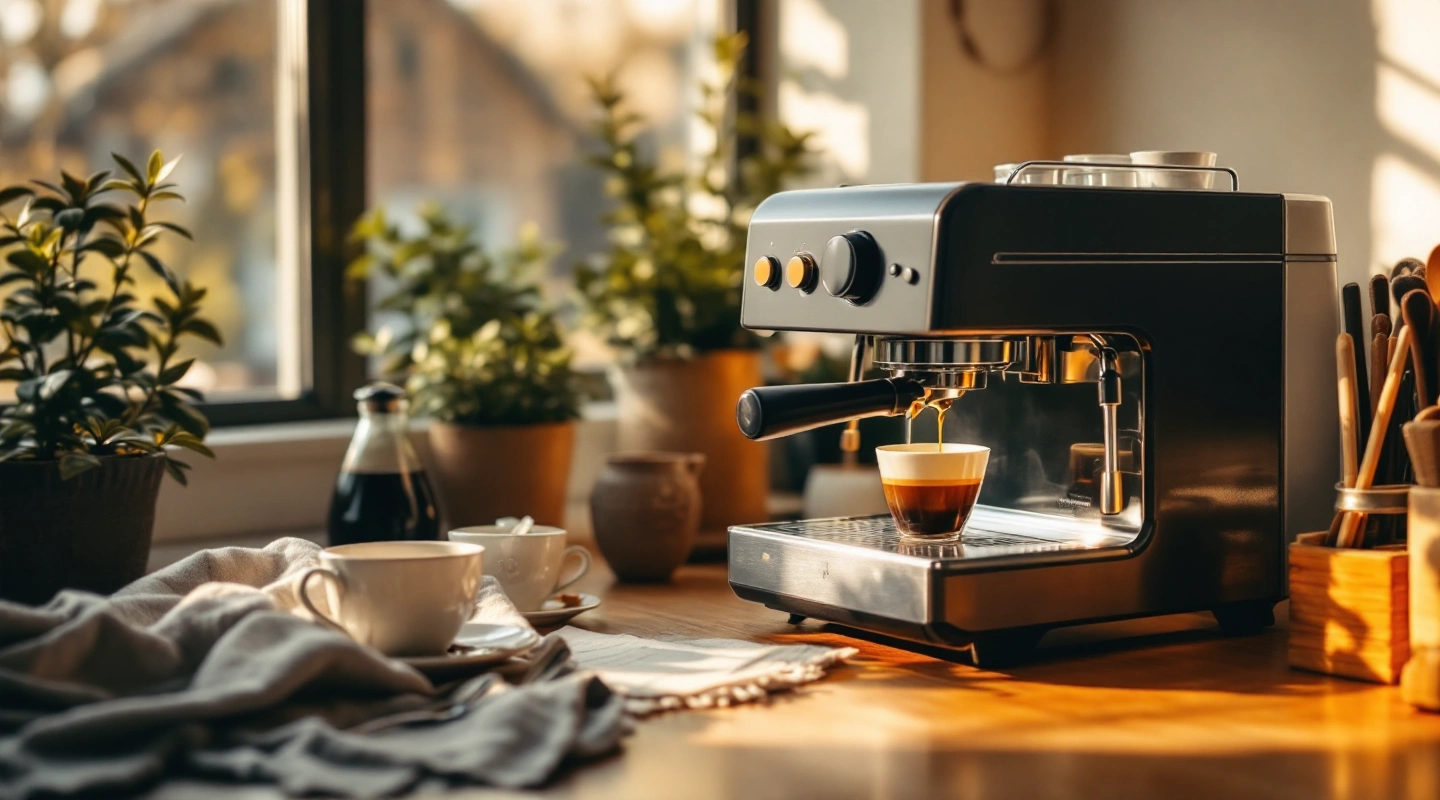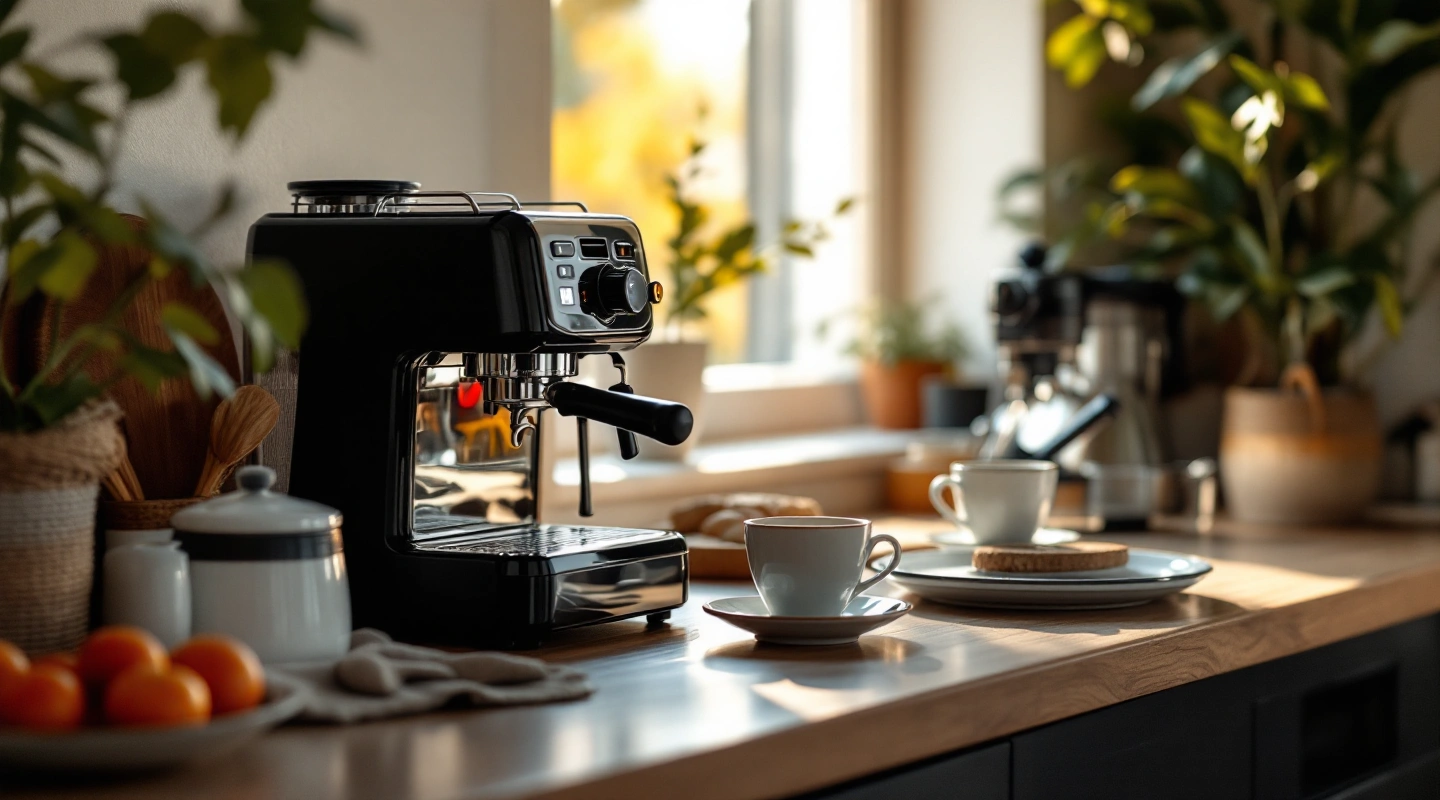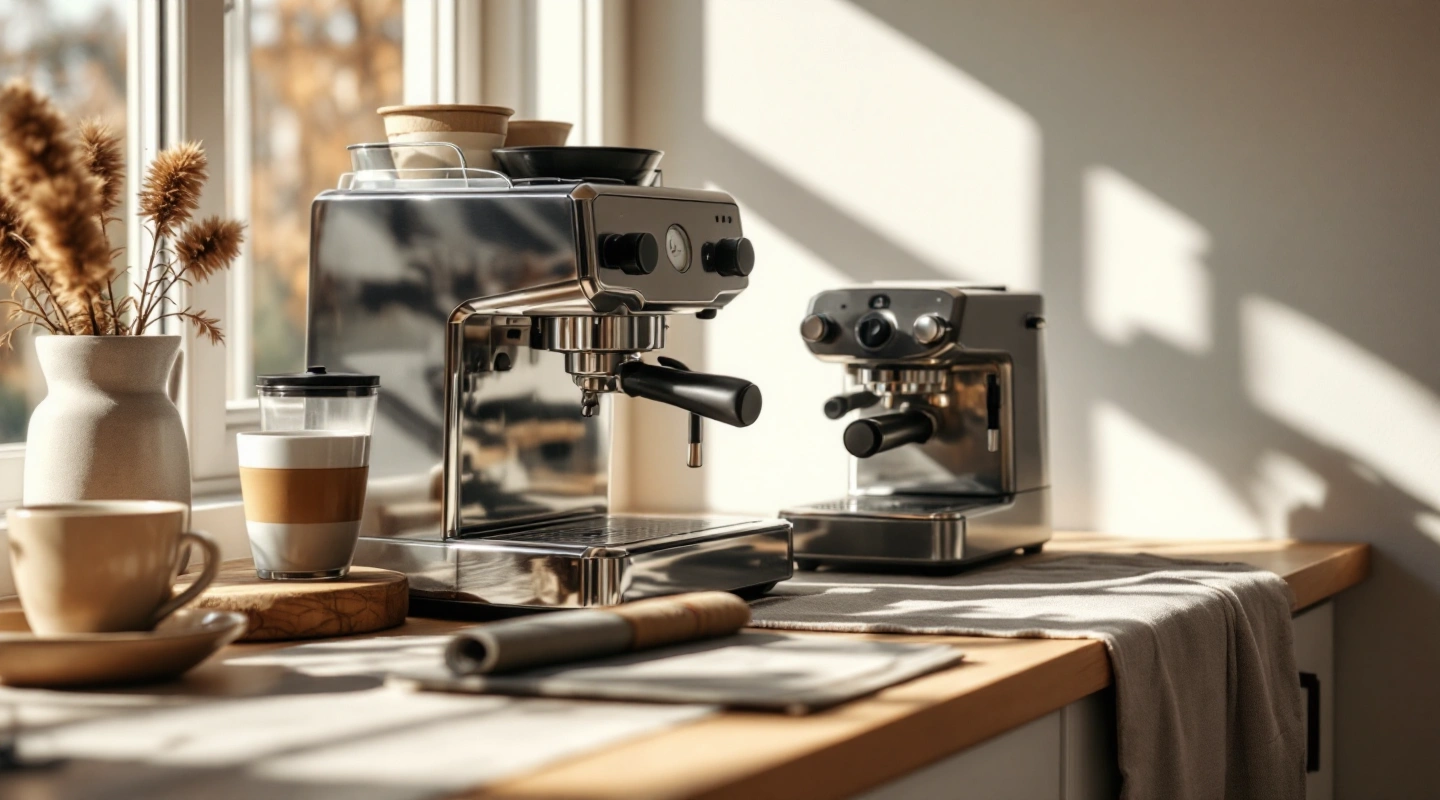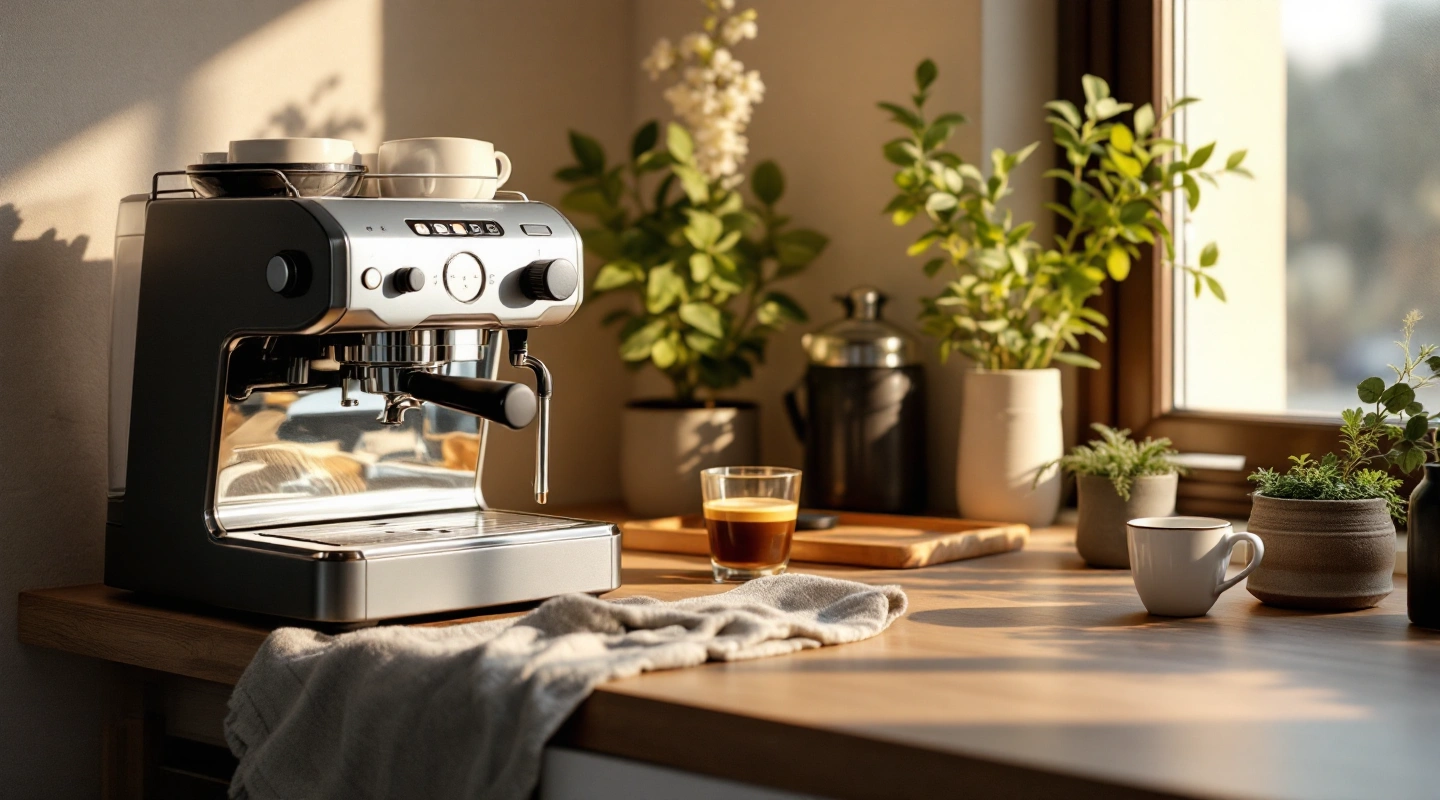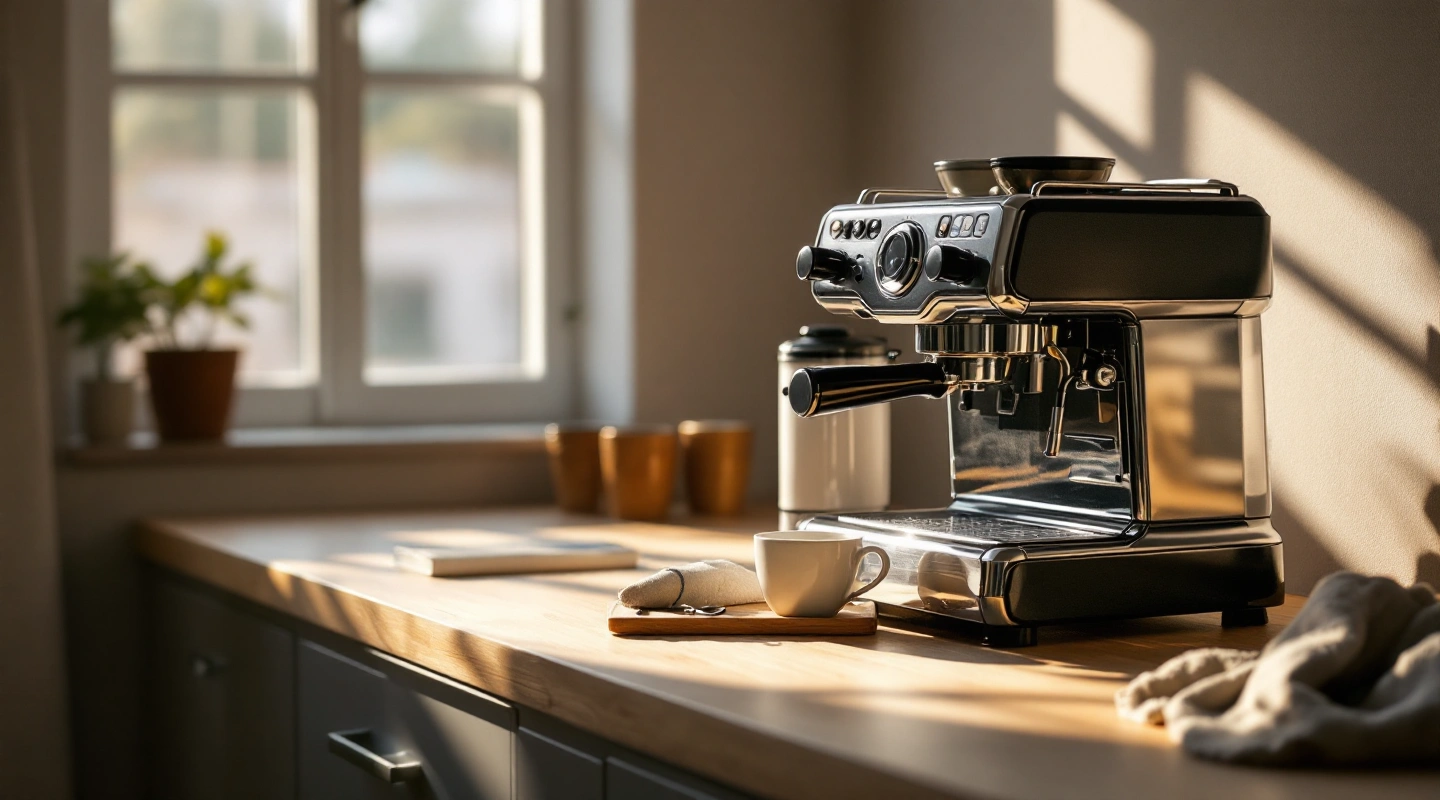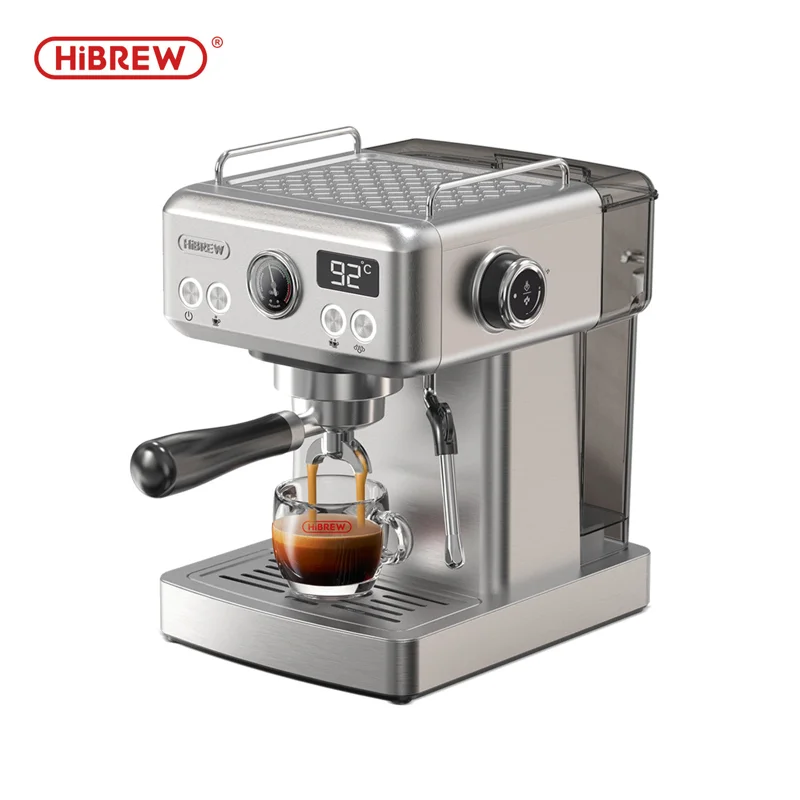
The best espresso machine under 500 should fit the way you make coffee, with room in the budget for any required grinder. Start with the coffee and milk tasks you want to do. Then compare the exact model and the full setup cost. A low machine price does not settle either question.
Keep the machine-only ceiling separate from the complete setup. Choose whether you will use suitable pre-ground coffee or grind beans yourself. Check the basket, milk process and space before paying for extras. Confirm the current new US offer for the exact model with the seller. Missing prices for required extras leave the complete setup budget unconfirmed.
Best Espresso Machine Under 500: choose the work you want
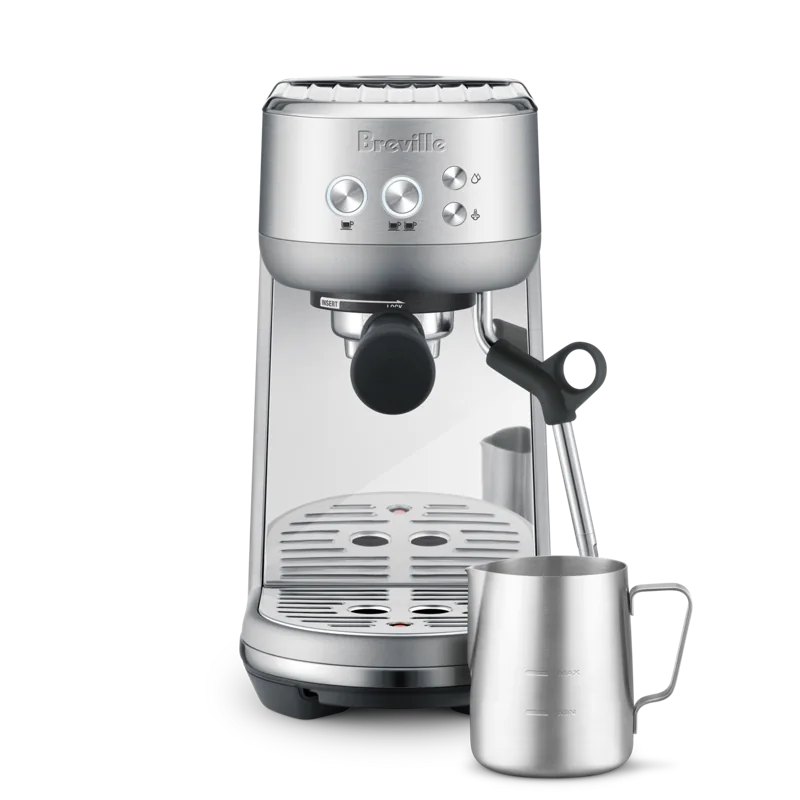
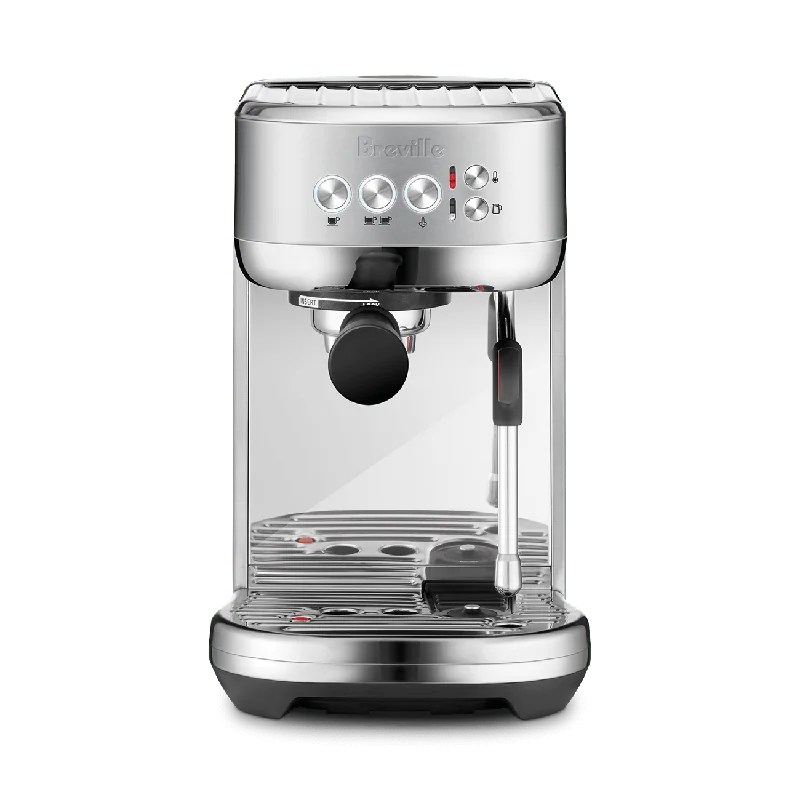
Choose the Bambino for manual milk work and its two basket routes. The Bambino Plus adds automatic milk settings while leaving coffee preparation with you. The exact Gaggia E24 suits a buyer who wants a single-boiler routine and accepts the change between coffee and steam. These choices solve different tasks.
Keep the drink in view when comparing controls. A coffee button that ends the shot does not grind or tamp your coffee. Automatic milk settings do not fill the basket or clean the wand. Choose the stage where help matters most, then account for the work that stays with you.
Price and availability can vary. Compare current new US offers for the exact model. Used and refurbished listings are a different purchase. Check the seller and current total before buying. If a required item has no confirmed price, leave the complete setup budget unconfirmed.
The machine and its required kit are separate budget decisions. A model that meets the machine ceiling may still need a suitable grinder for whole beans. Start with the parts you already own, check their intended use and add every missing essential before comparing complete setups.
Best Espresso Machine Under 500: buying factors
Decide how you will supply the coffee
A single-wall basket makes the grind part of the recipe. You need a grinder suited to espresso adjustment if you plan to use whole beans. A basket designed for pre-ground coffee can offer a different starting route. Check the supplied basket rather than assuming every machine needs the same kit.
The Breville BES450 US manual, Filter Baskets, distinguishes fresh-ground and pre-ground use. Follow the basket guidance for the exact model you choose.
Do not count an existing grinder as suitable from its brand alone. Read its intended use and adjustment range. If you must buy another grinder, include it in your complete setup budget. The machine's eligibility does not establish that the whole setup fits.
Choose the milk routine you will use
A manual wand asks you to position the jug and control texture. An automatic wand may help with temperature or foam settings. A carafe or hose system has another routine. The word frother is too broad to settle the choice.
If you want to pour patterns, check whether the system produces milk in a jug for that task. If you want less jug work, read the cleaning procedure for its milk path. A convenient drink button does not remove the need to wash milk-contact parts.
For repeated milk drinks, read the documented brew-to-steam sequence. Do not infer quick recovery from pump pressure. A ready light also does not tell you how long filling a basket, steaming and cleanup will take.
Measure working space, not just the case
Allow room to refill the tank and remove the tray. Check overhead clearance under cupboards. A separate grinder needs its own working area, as do a scale and milk jug. Leave a safe place for a hot handle or jug.
Keep dimension order clear. Check width, front-to-back distance and height in that order. If the maker's page and manual disagree, flag the conflict instead of choosing the smaller number. A source that omits clearance cannot prove that the machine fits under your shelf.
Check the parts that wear or need care
Find the manual before you buy. Read the cleaning and descaling sections and check which supplies they require. Coffee cleaner and descaler serve different jobs. A tank filter does not remove every maintenance task.
Look for an exact parts route in the US. A generic handle with the same nominal diameter is not a verified replacement. If fit information is missing, leave it unknown. Our separate fit references explain why locking geometry matters.
Machine-only and complete-setup budgets
Use two lists to avoid comparing unlike packages. The first contains the exact machine. The second adds only the equipment required for your chosen workflow. Optional upgrades stay in a third list so they do not look compulsory.
For a whole-bean single-wall setup, a suitable grinder is normally part of the required kit. For a supported pre-ground route, it may not be required to begin. A manual brewer that needs outside hot water also needs a heat source. A brewer without milk tools needs another process if milk drinks are the goal.
Use known prices only. If a required item lacks a checked cost, the complete total is unknown. Do not call the setup under budget by adding only the items you happened to price. Delivery charges and tax also depend on the offer and location; the final checkout amount needs its own check.
Buying fewer optional parts can leave room for a useful grinder or the correct care supplies. Start with what comes in the box. Buy a different basket or handle when it solves a clear need, with confirmed fit.
Read the comparison without overreading the numbers
Compare the exact model, coffee controls, milk routine and grinder needs. Include any required extras in your budget, and check the current offer on the shopping page.
A manufacturer's heater-ready claim is different from our own timing. We retain that difference in the warm-up field. A nominal pump-pressure figure is not a measured pressure profile through the coffee puck. Neither number alone proves taste.
For general controls, use the machine types reference. The automatic versus semi-automatic guide separates automatic shot stopping from bean-to-cup preparation. The manual versus automatic guide covers the pressure-control task.
Frequently asked questions
Does the ceiling include a grinder?
The machine-only comparison does not. The complete-setup view must add a suitable grinder when the chosen workflow requires one. An unknown required cost leaves that total unknown.
Can I begin with pre-ground coffee?
Only when the exact basket and machine instructions permit that route. The first-use guide explains how to identify the basket before setting the grind or dose.
Do more bars mean better espresso?
No single maximum pressure figure proves a taste result. Compare the actual brewing controls and source-backed limitations instead.
Can a small machine make latte art?
Size alone does not settle milk texture. Check the wand's process and the user's pouring control. The latte art guide starts with texture and a simple pour.
Will a cheap replacement handle fit?
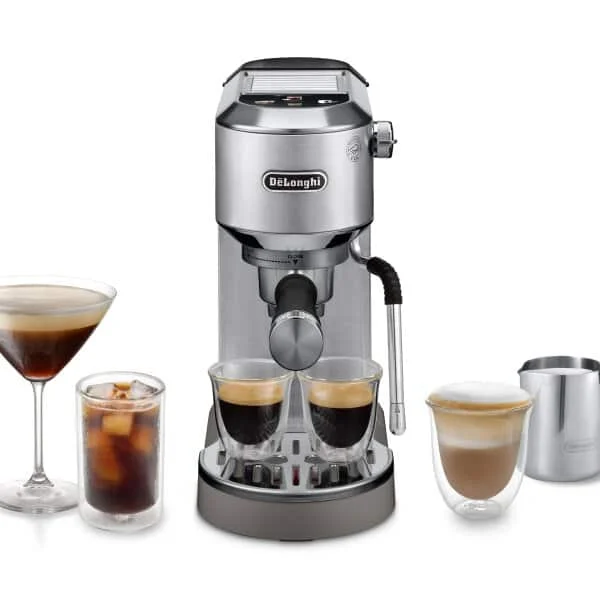
Order by exact machine and part number. Start with our Bambino, Dedica or Gaggia Classic fit reference. A nominal diameter alone does not confirm the locking interface.
Verdict
The best espresso machine under 500 is a budget decision tied to a real routine. Verify price eligibility first, then the coffee and milk tasks. Keep the complete equipment cost beside the machine price. Choose from supported facts, with unknowns left visible and no invented testing claim.